01PRIMOE Development · Asset study
Your asset can become something else.
Office building, industrial building, land, retail unit: we work out what it can become, we cost it, and you decide with a complete report in hand.
Our method
From your asset to a decision.
Four steps, a written report you keep, and a recommendation. The decision is yours.
- 01Assess
- 02Scope
- 03Explore
- 04Cost
01 · Assess
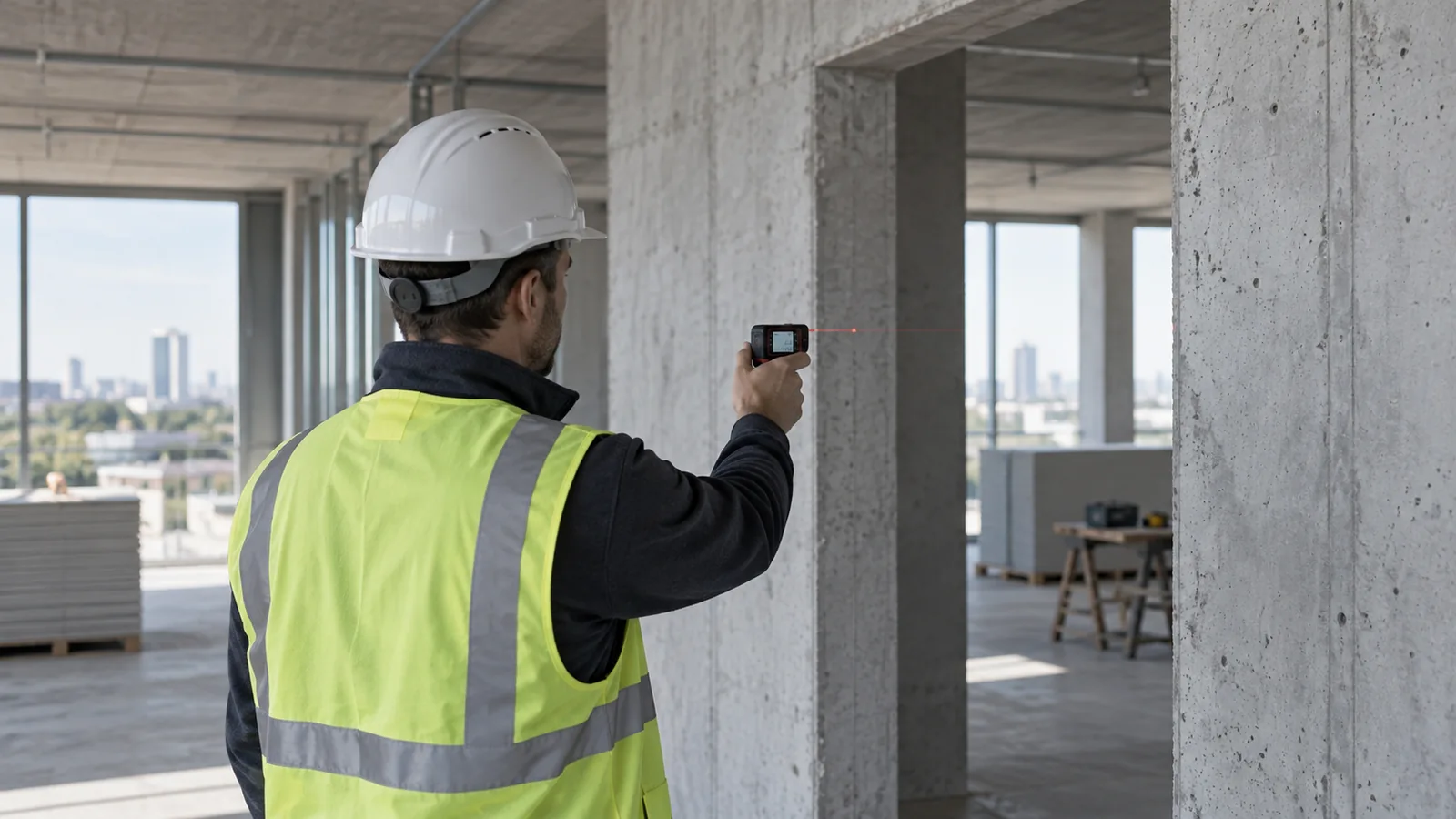
What condition is your building in?
- What we do
- We visit the building and gather the plans, surveys and title deeds.
- What you get
- A written condition report, floor by floor.
02 · Scope
What do the rules allow on your property?
- What we do
- We check the local zoning plan (PLU), the structure and floor heights, fire safety, utilities and easements.
- What you get
- A list of what is allowed on your property, and what is not.
03 · Explore
What can your property become?
- What we do
- We study several possible uses (housing, offices, hotel or retail) with the same assumptions for each.
- What you get
- A clear comparison of the possible uses.
04 · Cost
What does each use cost?
Each use is costed the same way: you compare like with like.
Budgetthe cost of design and works
Schedulethe duration, permits included
Structurewho finances, who builds, in what form
Decide
A recommendation. You decide.
One use, with the reasoning, and what remains to be checked. And if the answer is no, you know before committing to design and construction costs.
Get my asset assessedWhat you receive
A written report that is yours to keep.
You can then use it to decide, raise finance, apply for permits and tender the works.
- Condition reportThe building as it is, floor by floor: plans, surveys, title deeds.
- What is allowedWhat the zoning plan, structure, fire safety, utilities and easements allow.
- Uses comparedSeveral possible uses, studied on the same assumptions.
- Costs and timingFor each use: the budget, the duration, and who finances and builds.
- RecommendationThe use we advise, why, and what remains to be checked before you commit.
And if the answer is no?
You know before committing to design and construction costs. A reasoned negative answer is also a decision: it protects your assets and points to the next step (selling, letting as is, or waiting).
How we proceed
At every step, you decide.
Nothing is committed upfront: each step ends with a document and a decision for you to take.
-
Study
- What we do
- The condition of the building, the rules that apply, the possible uses, costed.
- What you get
- The study report and our recommendation.
- Your decision
- Go ahead?
-
Choose
- What we do
- We help you choose a use, or walk away knowing why.
- What you get
- The project brief: what will be built.
- Your decision
- Which use should you choose?
-
Prepare
- What we do
- We draw up the financial appraisal, prepare the permit applications and consult architects and contractors.
- What you get
- A file ready for the bank, the planning authority and contractors.
- Your decision
- Launch the project?
-
Deliver
- What we do
- PRIMOE Delivery takes over to run the construction site.
- What you get
- The same team, the same documents, through to handover.
- Next
- PRIMOE Delivery
Projects
Our projects at design stage.
 Saint-Ouen (93)Housing · Audit, feasibility, sketch design and preliminary designStudy delivered
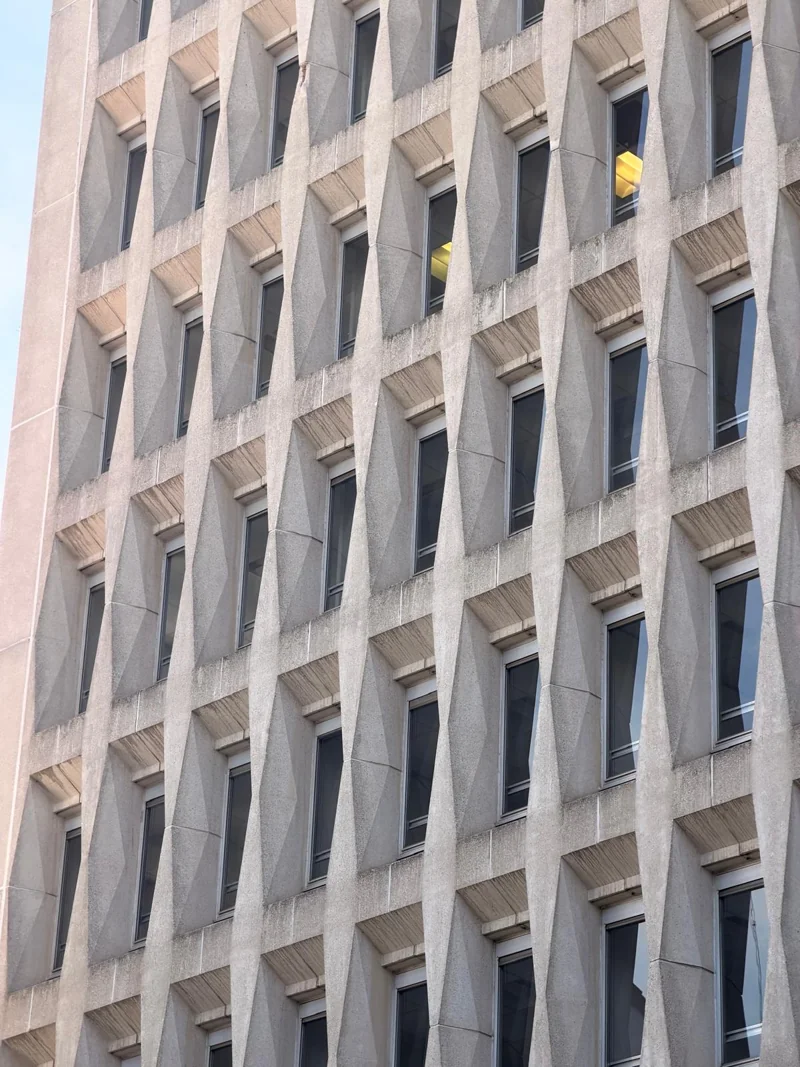 Paris 15thHigh-rise building · Owner’s representation, feasibility and operator searchDesign stage
 Boulogne-Billancourt (92)Housing · Audit, feasibility, sketch design and preliminary designStudy delivered
Frequently asked questions
What people ask us.
Can my building be converted?
That is the purpose of the first step: we check the structure, floor heights, floorplate depth, fire safety and planning rules, then tell you what is possible, and on what conditions.
What does the study include, and what do I receive?
A written report: the condition of the building, what is allowed there, the possible uses compared, the budget and duration of each, and our recommendation, with what remains to be checked.
What happens if the answer is no?
You know before committing to design and construction costs. A reasoned negative answer is also a decision: it points to the next step (selling, letting as is, or waiting).
Planning change of use or housing change of use: what is the difference?
In French law, a planning change of use (changement de destination) falls under the Town Planning Code (Code de l’urbanisme): it requires a prior declaration (déclaration préalable) when it does not involve works that need a permit (article R*421-17), and a building permit when it involves works on load-bearing structures or the façade (article R*421-14). A housing change of use (changement d’usage) falls under the Construction and Housing Code (article L631-7): in the municipalities concerned, converting residential premises may require prior authorisation. We identify the permits required from the study stage.
Can you then manage the works?
Yes. A project structured with PRIMOE Development can then be built with PRIMOE Delivery, which directs the works and coordinates the contractors, with the same team and the same documents.